
Extinguishing Agents BlazeCut fire suppression systems have been manufactured to suit a wide variety of fire suppressing agents. Matching the agent to the application is critical to the performance and success of each fire suppression system. BlazeCut have carefully selected a range of high performing agents that can cover every need. The offering is based on three types of systems: gaseous, powder and foam. Each fire suppressing agent has different characteristics to extinguish flames. The critical decision maker of which agent is most suited to your application is based on the fuel type that would be ignited in the event of a fire. As an example, for diesel fires a foam agent or powder would be selected or in the event of electrical systems a gaseous based agent would provide excellent performance. Reignition and the agents effect on the surrounding area also needs to be considered.
Why to choose a Foam Agent
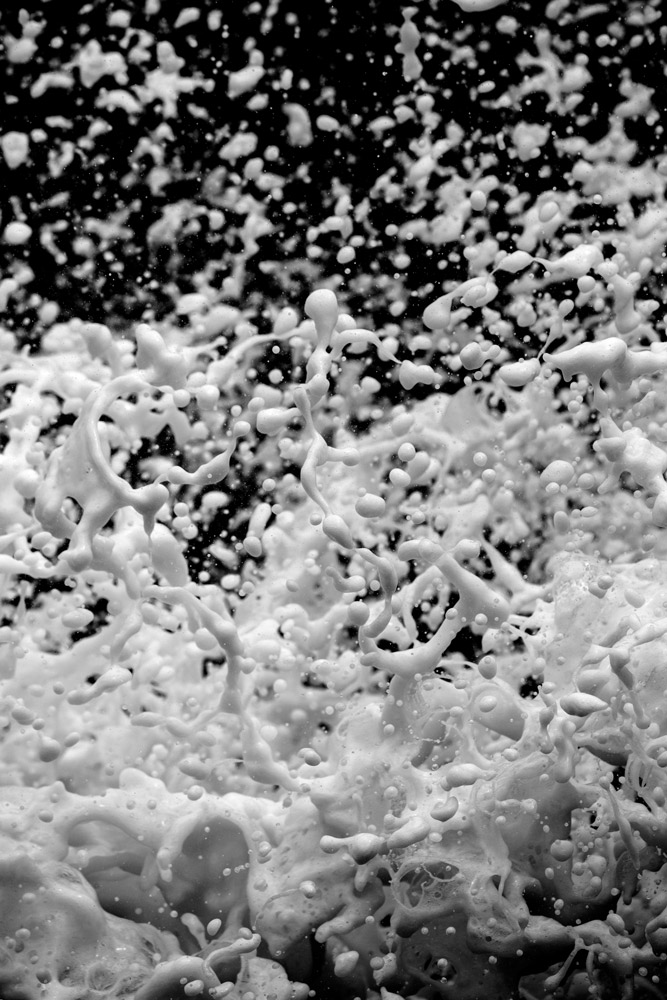
Foam concentrates are designed to meet a wide range of fire-fighting challenges. Aqueous film-forming foams (AFFFs) are suitable for ground, air and creating firebreaks on equipment to stop migration of fire. Foams are some of the most environmentally friendly products in their class in the world. A major advantage of foams is that they form a film on oils and diesels. This means they can follow the path of oil leaks that may start a fire away from a nominated risk area. Added to this the foam has a cooling effect and can dramatically reduce the heat in turbos and other high heat sources.
Main Features:
- Environmentally formulated
- Non-corrosive
- 98% organic compounds
- Zero discharge of hazardous chemicals
- Operating temperatures from -30°C to +60°C
Approvals:
- UL/ULC Listed foam liquid concentrate
- UL/ULC Listed wetting agent
- MPA Dresden Listed
- ICAO Certificate
Classes of Fire:
- Class A – Flammable Combustible
- Class B – Flammable Liquids
- Class F – Cooking Oils and Fats
Application:
Why to choose a Gaseous Agent
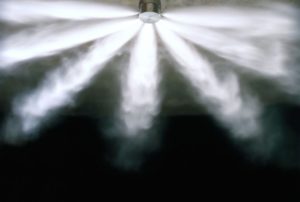
Gaseous agents can be used in electrical application where there is potential for overheating and fire. They can used where wires maybe exposed as they are non-conductive and form a flooding effect reducing oxygen in an area. The performance of the gases are relative to the room or area they occupy. As an example, if there are high winds and air flow, a gas system needs to be designed to allow for this as performance of flooding can be affected. This includes large ventilation and ducting that may draw out the gases before they can become fully effective.
Main Features:
- Zero ozone depletion potential
- A global warming potential of less than one
- Five-day atmospheric lifetime
- A large margin of safety for occupied spaces
- Electrically non-conductive
- Non-corrosive
- Resistant to temperature changes
Classes of Fire:
- Class A – Flammable combustible
- Class B – Flammable liquids
- Class C – Flammable gaseous substances
- Electrical equipment under voltage
The Right Solution:
Effectiveness: our gaseous clean agents are known for their excellent fire suppression capabilities, It has a low heat of vaporisation, which means it can quickly absorb heat from the fire, suppressing it effectively.
Non-Damaging Properties: our gaseous clean agents are non-conductive, which means it won’t cause electrical damage to equipment. This is especially important in environments where electrical equipment is present.
Environmental: our gaseous clean agents are considered environmentally friendly due to its low global warming potential and short atmospheric lifetime. It’s not known to deplete the ozone layer.
Regulatory Compliance: our designs all following standards NFPA 2001 (2021) and FM 4-9 (2018). These standards outline the requirements for clean agent fire suppression systems, including design concentrations and application guidelines.
Safety: our gaseous clean agents are non-toxic and safe for occupied spaces. This is crucial, especially if the environment in question is one where personnel may be present during regular operations.
Compatibility with Equipment: our gaseous clean agents are compatible with the equipment and materials in the environment it is designed for. For example, it wont react with aluminium or any other materials present.
HFC-227ea
The HFC clean extinguishing agent is liquefied gas used for volume fire suppression. The HFC clean extinguishing agent is discharged as a stream of gas and liquid droplets that penetrate the fire area, ceasing the combustion process through heat absorption and chemical interaction. The HFC clean extinguishing agent is considered environmentally accepted substitute for Halon extinguishing agents harmful to the ozone layer used in the past.
Main Features:
- Electrically non-conductive
- Non-corrosive
- Resistant to temperature changes
- Safe for people
- Leaves no residue
- Does not damage equipment, objects or sensitive devices
- Zero ODP (Ozone Depletion Potential)
Approvals
HFC-227ea: UL recognized and FM Approved

Application
The HFC clean extinguishing agent is an agent of choice for protection of enclosures where residue may be harmful to the protected sensitive devices. The agent is suitable for Class A (creating flames) , Class B, Class C and electrical fires.
Why to choose a Powder Agent
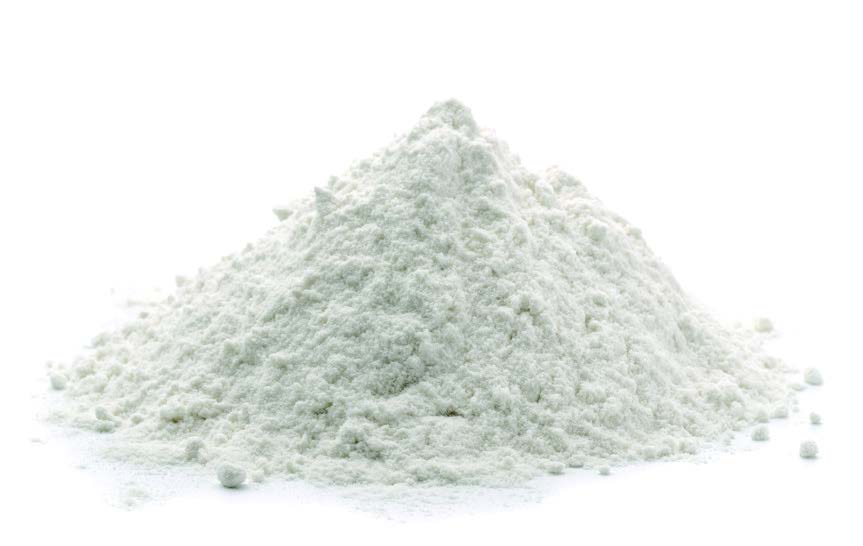
Powders have been commonly used in the marketplace for a long time. Dry chemical powder is an extremely effective fire-fighting agent that suppresses fire by interfering with the chain reaction of combustion by coating the surface of the burning material. The coating separates the fuel from the oxygen supply. They are tried and tested over a wide range of applications and is the most used agent for handheld extinguishers due to their diversity. Powder does have a draw back as it can leave a mess behind however this is outweighed by its effectiveness at fast knock down and reducing the likelihood of a fire spreading. Powder can be used on electrical and oil fires as it is non-conductive and reduces oxygen in the air as well as on the surface.
Main Features:
- Fast knock down
- Universal
- Electrically non-conductive
- Non-corrosive
Classes of Fire:
- Class A – Flammable combustible
- Class B – Flammable liquids
- Class C – Flammable gaseous substances
- Electrical equipment under voltage
Application:
Safety Data Sheets
Safety Data Sheets (SDS) are documents describing the properties and uses of a substance, including its identity, chemical and physical properties, health hazard information, precautions for use and safe handling information.
To view the SDS for chemicals used in the BlazeCut fire suppression systems, please select a file from the list below.